Examining the impact leadership behaviours have on older volunteers’ engagement, influencing their satisfaction and retention in their volunteering role: a scoping review protocol
The primary goal of this scoping review is to identify and analyse literature that examines older volunteers and how leadership behaviours may impact their satisfaction and retention. Identifying research studies that focus on leadership behaviours experienced by older volunteers will determine a future research agenda. Given the ongoing decline in volunteer retention rates, leadership behaviours that may be found to influence satisfaction levels are of primary interest. The objective of undertaking a scoping review is to map existing literature, identify key concepts, and highlight gaps and types of evidence available (Lely et al., 2023; Colquhuon et al., 2014). It is intended that this framework will inform future research design and evaluation.
Methods and Analysis
Following the JBI[1] Scoping Review (ScR) guidelines, this scoping review will identify, through electronic databases and journals, the existing literature that encompasses leadership behaviours that older volunteers experience in their activities. A literature summary table will be created to capture the essential relevant elements of papers raised by the research question. While scoping reviews extract data, they do not synthesise evidence (Pollock et al., 2023). Qualitative content analysis will provide a descriptive summary of the findings (Levac et al., 2010).
This study aims to explore both peer-reviewed studies and grey literature relevant to older volunteers (aged 60 and above). Few studies can be found examining the leadership of older volunteers and their lived experiences. This scoping review will examine a broad range of literature to understand volunteer contexts and activities specifically involving older adults.
Scoping reviews provide a broad scope of examination of the topic, which can initiate research data from unexplored disciplines (Munn et al., 2018). A more comprehensive perspective of leadership of older volunteers may be gained by including a variety of research evidence, including qualitative studies, quantitative studies, and grey literature (Peters et al., 2021).
Existing systematic reviews explore volunteerism and volunteers’ successful engagement (Benevene et al., 2024; Filges et al., 2020; Forner et al., 2023). There is extensive research into older volunteers’ wellbeing and self-esteem (Russell et al., 2019; Seikkula, 2023; Windsor et al., 2023; Ruiz et al., 2016; Le & Aartsen, 2024). However, there appears little research focused on how leadership experiences impact the willingness of older adults to continue volunteering.
The objective of this scoping review is to explore current literature that examines leadership styles and behaviours that impact or influence older volunteers’ satisfaction and engagement in their volunteering role. This scoping review aims to systematically identify and map the existing research on leadership behaviours affecting older volunteers.
Q1.) What studies have been undertaken to explore how leadership styles and behaviours influence older volunteers’ satisfaction in their roles?
Q2.) Are there studies that explore how volunteer leadership impacts older volunteers’ commitment to remain?
Q3.) What theoretical frameworks have been applied to studies regarding older volunteers and their satisfaction in their volunteering roles?
A comprehensive citation search strategy will be developed using key words in titles and abstracts of published articles and grey literature (Lely et al., 2023). The data extraction will align with the research questions.
The following are the search words and Boolean operators in their groupings:
volunteer* AND (elderly OR older OR senior OR retire* OR aged) AND (leader* OR manag*) AND (retention OR retain OR satisf* OR turnover)
The JBI ScR guidelines will provide the reporting parameters for this scoping review. As suggested by Pollock et al., 2023 (p. 4), a literature summary table will be created in an Excel spreadsheet. A pilot test will be undertaken across selected databases and applicable journals to verify the validity of the search word applicability. A diary will be used to annotate all iterations of the search and any changes or additional words applied to the data selection process.
This scoping review aims to identify the gaps in the existing knowledge base regarding older volunteers and the impact leadership behaviours have on their satisfaction. Guided by the PCC mnemonic (population, concept and context), the inclusion criteria for this scoping review will focus on older volunteers as the population (Peters et al., 2021). “Older” is defined as over 60 years of age. The concept focuses on the strategies and impacts of leadership practices experienced older volunteers, considering how intrinsic and extrinsic motivators shape their level of engagement. The context will be community volunteer activity sites.
By including the essential words “old*” and “retire*”, many references will appear as volunteerism has attracted much research on the health and well-being benefits to older adults (Chen & Lu, 2024). The exclusion criteria will include “aged care” and references to “community” when it does not link to volunteering. All citations that use an employment environment or a paid employee theory will be excluded.
Voluntourism will be excluded from selected sources as this activity has an added dimension of travel and subsidised living costs associated with the overseas voluntary activity. Additionally, older volunteers in highly skilled emergency disciplines, such as the SES (State Emergency Services) and the RFS (Rural Fire Service) will be excluded as the proficiency demands required for this activity go beyond the scope of this community-based volunteering enquiry. Studies that focus on older volunteers as leaders will also be excluded.
The word “leadership” is vital to identifying applicable literature. Although “leadership” and “management” are interchangeable, these concepts have different implications. The interpretation of leadership and leadership styles implies the ability to inspire and motivate individuals or teams to achieve a common goal (Almas et al., 2020). Management implies the more transactional meaning of planning, organising, directing, and controlling resources (Kotter, 2021). As both words imply a leading role, both words will be used in the search strategy.
The lead researcher and second reviewer will discuss ambiguities arising during the review process. A challenge may arise because terms or topics entitled leadership can be ill-defined and have multiple definitions and synonyms. Texts will be reviewed to identify any ambiguities around these terms. Following an extraction guidance form, the search interpretation strategy will be shared with all reviewers.
The lead researcher has developed this search strategy. A comprehensive literature overview through several electronic databases will be undertaken in consultation with a senior University Librarian.
This search strategy will gather literature from primary database sources: ProQuest, Scopus, APA PsycNet, Google Scholar (advanced search initial 100), PubMed, JSTOR, Informit, and Ebsco databases: CINAHL, Medline and Ageline.
Exact word searches of these electronic databases will be undertaken, with a date range of 1999 to 2025. (The start date has been chosen as it marks Clary and Snyder’s seminal paper, “The Motivations to Volunteer: Theoretical and Practical Considerations,” published in October 1999 in the journal Current Directions in Psychological Science[2]).
Journal articles, theses, grey literature, and conference papers will be reviewed for relevance. Specific journals: Voluntas, and Non-profit and Volunteering Quarterly, will be hand-searched systematically. These journals have been selected due to their focus on volunteerism. A hand search is used as these journals are not always systematically indexed. In addition to the selected journals, the Volunteering Australia Research portal will be included to ensure access to the most current research papers. Relevant references from previous studies undertaken by the lead researcher will be reviewed within the selection criteria and date range that support this protocol.
Importing the search results will be undertaken with Covidence to enable citations to be directly imported from the selected databases, ensuring that all search results are centralized in one platform. This will enable concurrent searches of titles and abstract by the two reviewers, assisting in consistency and thoroughness. Any duplicates will be identified through this reference tool and removed.
In keeping with the ScR guidelines, a diarised report will document each step of the review process to ensure transparency, reproducibility, and the ability to refine future searches (Peters et al., 2021).
Citations to be excluded will be studies involving older or aging adults that do not include the word volunteering or those that include “COVID”, “aged care”, and volunteer tourism”. Literature must have both volunteer AND old* AND leader* OR manager* in the title and/or abstract to remain valid for the scoping review.
Studies focusing on the Australian Mutual Obligations Program for Voluntary Work will be excluded, as participants in this program are influenced by distinct motivational frameworks (being paid a JobSeeker payment) that differ from the scope of this review.
The start date of the first search will be May 2025.
The screening eligibility criteria outline specific predefined words that will be used to choose the studies suitable for inclusion. Words are: volunteer* AND (elderly OR older OR senior OR retire* OR aged) AND (leader* OR manag*) AND (retention OR retain OR satisf* OR turnover). The study selection will be conducted to screen title and abstract.
Title and abstract screening will be performed by the lead researcher, with a second reviewer independently evaluating 10% of the citations to assess the consistency and reliability of the pre-established inclusion criteria. Any discrepancies or disagreements between the two reviewers will be resolved through discussion. If consensus cannot be achieved, a third reviewer will be consulted to make a final decision. Full-text articles of potentially relevant citations will be retrieved for evaluation by the lead researcher. A record of any excluded full-text articles that do not meet the inclusion criteria will be maintained for transparency and reporting purposes. The search and/or eligibility criteria may be modified during this review process (Ley et al., 2023).
A standardised Excel spreadsheet will systematically chart data from the included studies. An extraction guidance form will be prepared to provide a thorough explanation of the data headings. The lead researcher will be conducting the initial charting process.
Collected data will align with the research question, “How do leadership behaviours influence older volunteers’ satisfaction and retention?”
Headings for the tabular literature summary will include (Younas & Ali, 2021):
Author(s)/ Year
Title
Country Origin
Purpose
Source
Research Design
Outcome Measures/ Instrument
Target Population
Volunteer Sector
Conceptual/Theoretical Framework
Major Themes
Critical Appraisal
All extracted citations will be managed in Covidence.
The ScR checklist will ensure that all essential reporting items are included. Mendeley Reference Manager will cleanse the data and identify any citation duplicates.
The search results will be demonstrated using a PRISMA flow diagram. The results will be presented in a mapping diagram to illustrate the findings.
It is intended that this scoping review protocol will be registered in Prospero.
Conclusion
The scoping review aims to systematically investigate the research literature that examines the influence of leadership behaviours on older volunteers’ engagement, specifically investigating their satisfaction and intention to continue volunteering. By mapping existing literature, the review will identify key concepts and gaps in current research, providing a foundation for a future research study. Understanding how leadership impacts older volunteers is essential, especially given the declining volunteer retention rates.
Support/Funding
No funding will be provided for this scoping review. This research study is supported by an Australian Government Research Training Program (RTP) Scholarship.
Conflicts of Interest
No conflict of interest arises from this study.
Acknowledgements
Rachel Ambagtsheer as Doctoral Supervisor and secondary reviewer
Appendices
Appendix I: Search strategy
The full search strategy for one electronic database will be included, detailing the keywords words and how they were combined using Boolean operators with the number of records retrieved by the search.
Almas, S., Chacón-Fuertes, F., & Pérez-Muñoz, A. (2020). Direct and indirect effects of transformational leadership on volunteers’ intention to remain at non-profit
Clary, E., & Snyder, M. (1999). The motivations to volunteer: Theoretical and practical considerations. Current directions in psychological science, 8(5), 156-159.organizations. Psychosocial Intervention, 29(3), 125-132.
Kotter, J. (2021). Change: How Organizations Achieve Hard-to-Imagine Results in Uncertain and Volatile Times. Harvard Business Review Press.
Le, G., & Aartsen, M. (2024). Understanding volunteering intensity in older volunteers. Ageing & Society, 44(8), 1898-1916.
Lely, J., Morris, H., Sasson, N., Camarillo, N., Livinski, A., Butera, G., & Wickstrom, J. (2023). How to write a scoping review protocol: guidance and template. Charlottesville: Open Science Framework.
Mak, S., & Thomas, A. (2022). An Introduction to Scoping Reviews. Journal of Graduate Medical Education, 14(5), 561–564.
Moher, D., Stewart, L., & Shekelle, P. (2015). All in the family: systematic reviews, rapid reviews, scoping reviews, realist reviews, and more. Systematic reviews, 4, 1-2.
Munn, Z., Peters, M., Stern, C., Tufanaru, C., McArthur, A., & Aromataris, E. (2018). Systematic review or scoping review? Guidance for authors when choosing between a systematic or scoping review approach. BMC medical research methodology, 18, 1-7.
Peters, M., Marnie, C., Colquhoun, H., Garritty, C., Hempel, S., Horsley, T., Langois, E., O’Brien, K., Tuncalp, O., Lillie, E., Wilson, M., Zatin, W., & Tricco, A. (2021). Scoping reviews: reinforcing and advancing the methodology and application. Systematic reviews, 10, 1-6.
Peters, M., Casey, M., Tricco, A., Pollock, D., Munn, Z., Alexander, L., McInerney, P., Godfrey, C., & Khalil, H. (2021). Updated methodological guidance for the conduct of scoping reviews. JBI evidence implementation. 19. 3-10.
Pham, M., Rajić, A., Greig, J., Sargeant, J., Papadopoulos, A., & McEwen, S. (2014). A scoping review of scoping reviews: advancing the approach and enhancing the consistency. Research synthesis methods, 5(4), 371-385.
Pollock, D., Peters, M., Khalil, H., McInerney, P., Alexander, L., Tricco, A., Evans, C., Brando de Moraes, E., Godfrey, C., Pieper, D., Saran, A., Stern, C., & Munn, Z. (2023). Recommendations for the extraction, analysis, and presentation of results in scoping reviews. JBI evidence synthesis, 21(3), 520-532.
Ruiz, E., Marcos-Matás, G., & Tornero, M. (2016). Older volunteers’ intention to remain in service in nonprofit organisations. Psicothema, 28(3), 272-277.
Russell, A. (2019). Volunteering in Retirement and Retirement from Volunteering: Three Papers on Volunteering in Older Adulthood. [Doctor of Philosophy Thesis, University of Pennsylvania].
Seikkula, T. (2023). Urban Seniors in Finland in the year 2035. Horizon scanning of inclusion and volunteering in the future. [Master’s Thesis, Future Studies, Turku School of Economics].
Tricco, A.C., Cardoso, R., Thomas, S. , Sanober, M., Sullivan, S., Kealy, M., Hemmelgam, B., Ouimet, M., Hillmer, M., Perrier, L., Shepperd, S., & Straus, S. (2015). Barriers and facilitators to uptake of systematic reviews by policy makers and health care managers: a scoping review. Implementation Science, 11, 4.
Younas, A., & Ali, P. (2021). Five tips for developing useful literature summary tables for writing review articles. Evidence-Based Nursing, 24(2), 32-34. https://ebn.bmj.com/content/ebnurs/24/2/32.full.pdf
[1] Joanna Briggs Institute: a global leader in evidence-based healthcare organisation promoting and supporting evidence-based decisions to improve health and health service delivery.
[2]Clary & Snyder: Their work on the Volunteer Functions Inventory (VFI) remains foundational in understanding motivations behind volunteering.
The paper below is a Literature Review exploring the health benefits of volunteering and the effects ICT has on older adults in a volunteering environment (Torrens University, RES611, final assessment). This is the first assessment in undertaking a literature review. Further papers result from this Graduate Diploma of Research Studies.
Senior adults are increasingly faced with digital technology in their day-to-day lives. Advances in Information Communication Technology (ICT), Artificial Intelligence (AI), machine learning, robotics, and other technologies have increased the pace of change tenfold. By 2025, it is estimated that 50 billion devices will be connected to the Industrial Internet of Things (IIoT) (Kuiken, 2021). Engagement with digital technology is inevitable. The challenge today is how to positively engage senior adults in technology acceptance. The purpose of this review is to identify how countries are addressing senior citizens’ technology acceptance as it interfaces with volunteering environments. Within a framework centered around senior adults, the articles reviewed focus on senior adult learning, seniors’ technology acceptance, senior adult well-being, and volunteering.
Digital exclusion is looming as one of the most problematic issues facing older citizens today (Mubarak & Suomi, 2022). According to the Australian Digital Inclusion Index (ADII, 2022), digital inclusion among older Australians has increased between 2020 and 2021. Digital inclusion means people can use the internet and technology to improve their daily lives (Good Things Foundation, 2022). However, those aged 65 and over are more digitally excluded than other age groups (Mubarak, 2015). Age is not the only consideration. Factors such as education, income, those living regionally or remotely, fare worse in the digital environment (Neves & Mead, 2021). According to Mubarak and Suomi (2022), the digital divide, when referring to older adults, is known as the grey divide. In this research paper, international literature reveals a divergence in the definition of this grey divide. Mubarak and Nycyk (2017) define the grey divide as those, usually over 65 years of age, who have a problem accessing and using the internet. In their study, the authors further define differences between developing and developed countries. Developing countries are generally characterized by “low to no wages, poor health and education standards, famine, hunger, and a lack of infrastructure” (Mubarak & Nycyk, 2017). A developed country was generalized as having access to better ICT and Internet infrastructure (Mubarak & Suomi, 2022). This literature review will explore the differences between developing and developed nations’ assessment of the digital divide and how this affects senior citizens.
According to the World Health Organisation (WHO, 2022), “by 2030, 1 in 6 people in the world will be aged 60 years or over, and between 2015 and 2050, the proportion of the world’s population over 60 years will nearly double from 12% to 22%”. “Health is a state of complex physical, mental and social well-being and not merely the absence of disease or infirmity” (WHO, 1952, p.100). Social inclusion enhances the quality of life in older people (Browning & Thomas, 2013). Tsai et al. (2015) suggest that using information and communication technologies can improve older adults’ well-being, quality of life, and social connections.
Social connectedness was one of the health benefits identified by de Wit et al. (2022). These authors carried out studies over 33 years to monitor the effects of volunteering on older adults. Brown et al. (2012) explored the benefits of well-being and volunteering for older adults and found that volunteers reported significantly higher well-being, social connectedness, and general self-efficacy than non-volunteers. Volunteering for seniors is undertaken in diverse social and business environments. Rijmenam (2023) predicts that there will be increasing emphasis on digital literacy in all social environments, compelling a move from basic computer skills expectations to one where all adults will need to be comfortable with advanced AI technologies. This future prediction poses a huge challenge for senior adult ICT learning. This is the area of my research.
Why is this research so important? With an increasingly aging global population, it is imperative that an understanding is developed around the mechanisms that may improve older adults’ well-being (Francis et al., 2019a). Information and communication technologies are tools that may promote well-being through increased connectedness and reduction of social isolation (Francis et al., 2019b). In a study of 19 assisted and independent living communities, Francis et al. (2019b) identified that ICT engagement promoted social connectedness, creating a sense of self-worth. In later life, senior adults often engage in volunteering to stay connected and relevant today (Jongenelis & Pettigrew, (2020). Volunteering is also identified as being associated with improved physical and cognitive well-being (Jiang, et al., 2020). Yet, Rijmenam (2023) predicts 2023 to be the year of digital disruption. While these predictions are aimed predominantly toward a changing business and economic environment, government agencies need to be mindful that technological innovations will have a significant impact on our societies. The fundamental problem in digital illiteracy occurs when senior adults are unable to keep up with societal trends (such as Generative AI) thus increasing social isolation and reduced self-efficacy (Mizra et al., 2020).
The current study used international online databases, EBSCOhost, ProQuest, Google Scholar, and ScienceDirect for relevant articles. Key search terms included four themes : (1) Digital Divide, Grey Divide, digital literacy, digital competency; (2) older adults, learning; (3) senior adult well-being; and (4) volunteering. The Boolean operators AND / OR were adopted across these searches to capture key search terms such as older adults / elderly / seniors; ICT / digital technology/internet; health/well-being.
Following the initial peer-reviewed article collection, 60 studies were selected for maximum relevance to the four themes and then grouped in relevance into the main themes : (1) the digital divide; (2) senior adult learning; (3) senior adults’ well-being; and (4) volunteering and ICT. Most articles demonstrated connections to more than one theme.
The first theme of this research explores how senior adults interface with digitization from various global perspectives. Farooq Mubarak, a Finnish author, has explored the advancement in ICT and the digital divide, comparing the economic and educational influences of developing and developed countries (Mubarak & Nycyk, 2017; Mubarak & Suomi, 2022). He states that multidimensional aspects of the term ‘digital divide’ are complex and affected by cultural complexities (Mubarak, 2015). The meaning of this digital divide in developing countries focuses on public inequality, poor economies, and political and cultural issues that influence the uptake of ICT. Nycyk (2011) identified computer training as a must for older citizens to keep them in contact with society. By 2017, Mubarak and Nycyk (2017) were focusing on the “grey divide”. They identified country type, economic challenges, and cultural beliefs to be considered in understanding the grey divide and the issues that affect older people’s access to internet skills learning. By 2022, Mubarak and Suomi research the social exclusion of the elderly as the use of digital technology has become more prevalent. One of their significant findings was that the grey divide was linked to poor health outcomes in both developed and developing economies (Mubarak & Suomi, 2022). Another interesting finding was observed in developed countries where social exclusion was experienced because of a lack of digital skills. In developing countries, intergenerational family living enabled seniors to receive help from younger family members (Mubarak & Suomi, 2022).
In contrast, a study in Vietnam (Nguyen et al., 2022) identified that 35% of older citizens (60 years and older) had a positive attitude toward the Internet. Due to necessity, senior family members had to earn a living, especially those in rural and ethnic minority households with poor circumstances. In this case, socioeconomic status was proved to positively affect ICT uptake by older people (Nguyen et al., 2022).
Continuing this intergenerational theme, a study undertaken in Ireland explored the digital divide with a focus on younger generational assistance offered to older family members (Flynn, 2022). Identifying that 33% of the population had never accessed the interest, the survey covered social isolation during COVID and social connectedness through family members. Senior adults were identified as “physical natives” as there was a preference for face-to-face interactions (Flynn, 2022). Lockdown experiences stimulated new learning opportunities for digital skills development through their connections with younger family members. For those seniors who did not have family members, there were recommendations for future one-to-one teaching programs (Flynn, 2022). Olsson & Viscovi (2018) identified similar family support mechanisms in Sweden to assist in the digital divide. However, it was stated that elderly Swedes generally had been online for more than a decade yet still sought assistance from “warm experts” (their family members). In a WHO report (2015) there was an identification that only older adults who were more advantaged in society would experience benefits from digital opportunities.
A two-year study in France (Wu et al., 2015) found a link between the digital divide and the motivation for older adults to adopt different kinds of ICTs to fit in with society. Concerning assistive ICTs (for example, robotics, smart home technology, assistive communication devices, and sensors for social alarms), there appeared to be a lack of appreciation of the perceived usefulness of such technologies. Participants in the focus groups stated that the use of these digital devices, “gerontechnologies”, had a negative image for those who used them. However, they rated this overall research study project positively as their inclusion had exposed them to advanced ICTs and societal progress (Wu et al., 2015). While acknowledging the digital divide between older and younger generations, Wu et al.’s focus groups identified security, privacy issues, diminution of human contact, and fear that ICTs may change fundamental human nature (Wu et al., 2015).
Social participation and digital engagement were identified to contribute to health and well-being among older adults (Fischl et al., 2020). It was suggested that digital connectivity led to older adults staying at home longer, a factor that predicted life longevity. WHO report (2015) stated that digital technologies that were tailored to individual needs could enhance older adults’ social participation. This study recognized social participation and digital technology as having the potential to promote health and well-being. Similarly, Marston et al. (2019) identified that developing age-appropriate education strategies would benefit seniors in that they would be able to share information, communicate with friends, enhance social inclusion and interaction, and strengthen intergenerational ties. Wang et al. (2020) explored the impact of digital games, designed for senior adults. While there was limited research literature on this subject, the authors explored the positive health benefits of knowledge acquisition and skills enhancement. In striving to digitally empower older adults, Yoo (2021) discussed the importance of creating a supportive learning environment, which would lead to more productive and enjoyable lives in retirement.
Adult learning has been an age-old preoccupation for academics. In a time when an aging population is inevitable, this second theme explores older adult engagement with technology. There is an abundance of literature exploring the theories of adult learning (Bates, 2016). In 1962, Lev Vygotsky moved beyond behaviorist learning theories to a belief that social interaction and scaffolding helped adult learners to progress to higher levels of understanding (Vygotsky, 1962). While learning theories can predict how an older person can learn new tasks, a more complex dimension appears when reviewing technology acceptance and usage in senior adults (Neves & Mead, 2021). Ghani et al. (2019) explored and modified the four elements of the Technology Acceptance Model (TAM) framework: perceived usefulness, perceived ease of use, attitude, and the behavioral intention to use technology, to predict senior adults’ engagement with technology. In refocusing on external variables, the authors were able to define a better understanding of the complexities of senior adult digital acceptance. See Figure 1.
Figure 1.Technology Acceptance Model.
Neves and Mead (2021) identified that senior adults’ adoption of digital technologies was below that of other age groups. This study focused on the 65+ age group and gives a complex exploration of how the elderly approach digital devices. Social context and user contexts of older adults vary from younger generations’ experience and hence, teaching methods need to reflect this difference in both language used and knowledge/experience assumptions (Neves & Mead, 2021). Chen and Lou (2020) explored a version of the Senior Technology Acceptance Model (STAM) creating a questionnaire that consisted of the 4-factor structure, including the technology acceptance constructs (perceived usefulness, perceived ease of use, attitude, and behavioral intention) as well as age-related health characteristics. While TAM is a useful model, additional variables need to be understood to answer why there is hesitancy in technology acceptance (Chen & Chan, 2011; Chen & Lou, 2020). These authors identified biophysical decline, selective attention, cognitive ability, and self-efficacy as variables that influence technology usage. Maa et al. (2021) in Hong Kong undertook a study involving 35 primary studies over 15 years to understand the behavioral intention of older adults to adopt the technology. While there were some regional disparities due to cross-cultural differences, it was found that older adults displayed a willingness to accept familiar technologies, such as smartphones, but there was a reluctance in their acceptance of unfamiliar technologies, such as healthcare systems and new devices (Maa et al., 2021). Perceived usefulness (PU) and perceived ease of use (PEOU) supported a positive association with behavioral intention (BI). See Figure 2.
Schlomann et al. (2022) and Mubarak and Nycyk (2017) explored adult learning as a linkage to previous experiences, which is termed fluid intelligence. With younger generations being identified as digital natives (Choudhary & Bansal, 2022; Marston et al. 2019; Ball et al. 2019), seniors are tagged as digital immigrants who do not have the fluid knowledge to connect to learning as there are no previous experiences in their skills set. Another factor to influence technology acceptance in seniors has been identified by Ball et al. (2019). Seniors like to connect socially but they feel inadequate when they look at others around them who are better at technology, creating a physical-digital divide. The report states that senior adults like to connect physically (physical natives) while younger generations are identified as digital natives (Ball et al., 2019). Code (2020) discusses agency for adult learning as intentionality, forethought, self-regulation, and self-efficacy. She identified that this agency for learning in older people does not have the same intrinsic and extrinsic motivators as for younger learners. Digital immigrants struggle with agency for learning (AFL) as the learning is set around known goals. Personal agency regulates the processes necessary for learning. ICT and AI are new concepts that are not generally in the knowledge experience of older adults (Code, 2020). An Israeli study of 135 older people was undertaken to assess if the use of unfamiliar technology made them feel older (Capsi et al., 2019). The results were that even when using a relatively common technology on an easy-to-use device, these senior adults still felt older after the experience.
In contrast to the authors reviewed thus far, there are many studies that have identified positive strategies that engage senior adults with technology usage (Chohan & Hu, 2022). Based in India, the authors investigated Adult Learning Theories to develop a training model, that introduced an ICT framework for social development. The concept of M-Learning (mobile learning) was to assist senior citizens in acquiring digital skills to improve their quality of life by fully utilizing e-government services and having a sense of connectedness (Chohan & Hu, 2022). Haan et al. (2021), in the Netherlands, identified strategies to facilitate smartphone usage. This study provided findings in Smart Phone and social apps that are potentially transferable for other senior adult learning environments and provided insights into peer-to-peer community learning in a social setting. Both studies reported positive results.
Canadian authors, Jin et al. (2020) undertook a literature review to explore how mobile devices play a role in senior adults’ informal learning, identifying four theoretical frameworks to interpret their research: (a) TAM (Technology Acceptance Model), (b) experiential learning theory, (c) social cognitive theory, and (d) activity theory. Their conclusions were that self-paced learning on mobile devices can be motivated by health-related subjects, while consistent interaction with these devices assists in familiarity and ease of use. Informal learning, which is appropriate to life needs, promotes, and motivates learning. Similar findings were documented in a study undertaken by Yoo (2021), which was an introductory digital course, designed for older adults. The focus of the results of this study highlighted the need for a quality learning environment with supportive teachers. Several authors have explored the need for supportive, peer-to-peer learning, and differentiated teaching methods to assist in the successful delivery of digital competency (Chen & Chan, 2011; Fischl et al., 2020; Gleason & Suen, 2022; Haan et al., 2021; Maa et al., 2021; Marston et al., 2019; Neves & Mead, 2021; Betts et al. 2017; Nycyk, 2011). With social connectivity as a recurring theme, Sen et al. (2020) suggest that the more social connections senior adults experience, via social activities, community-dwelling, mobility, and use of technology, the higher likelihood of enhanced well-being, health, and less evidence of cognitive decline.
The third theme of this research intends to show that well-being in older adults is important to society. An aging population is inevitable. Global trends put an emphasis on healthy living and well-being as imperative to society (Sirbu, 2020). She states that participation in social activities encourages a sense of belonging. This social integration facilitates positive psychological states which lead to positive physiological outcomes (Sirbu, 2020). Promoting meaningful social engagement, and improving self-perceptions by recognizing seniors’ contributions, are recommended by Browning and Nicholson (2013). To reduce healthcare costs and maintain individual productivity, health, and well-being of this segment of the population is important and deserves attention (Sirbu, 2020). Social isolation has been shown to significantly increase the risk of premature death and reduce the quality of life (Plunkett, 2021).
Joulain et al. (2019) undertook studies over five years in France to explore how activities, such as sports and informatics, or volunteering and gardening, promoted well-being in older adults. From their surveys, individuals who reported psychological well-being, not only lived longer, but they also led healthier lives than those participants who had lower rates of activity participation (Joulain et al., 2019). These studies highlighted the beneficial effects of social activities on the well-being of aging people. Their investigation detailed self-actualization, creativity, and service to others (volunteering), as being the positive elements of promoting health and well-being in older adults. These results detailed the beneficial influence of social participation, including getting out of the house, meeting other people, and providing a perceived sense of control, and autonomy (Joulain et al., 2019).
Albert Bandura (1925 – 2011) was a Canadian psychologist who explored the influence that individual experiences, the actions of others, and environmental factors had on individual health behaviors (Bandura, 1977). Self-efficacy is stated to be the belief a person has in their own abilities, specifically their ability to navigate challenges to complete a task successfully (Bandura, 1988). Individual agency is associated with goals, perceived control, self-efficacy, persistence, mastery, autonomy, and self-regulation (Browning & Thomas, 2013; Heckhausen et al., 2018). Older adults, as digital immigrants, struggle with the agency for learning as digital technology is unfamiliar, physical health limitations exist, and biological aging can affect learning motivation and self-regulation (Heckhausen et al. 2018). Technology provides social connectedness, and access to health information and services, essential for senior adults’ well-being (Plunkett, 2021).
In a Victorian study, Brown et al. (2012) found that volunteers reported higher well-being than non-volunteers. This subjective sense of overall personal self-worth included self-esteem, self-efficacy, and social connectedness. The study concluded that self-esteem and social connectedness mediated the relationship between volunteer status and well-being. As adults move from a career to retirement, social participation can contribute to the health and well-being of older adults (Fischl et al., 2020). These authors go on to suggest that societies need to tailor social opportunities and services to promote associations which may lead to senior adults remaining in their homes longer. Hand et el. (2020) identified 3 themes in a study on how older adults shape and enact agency in their neighborhoods: older citizens need to be present and be open to casual social interaction, be able to help others and take community action. Kleiner et al. (2020) explored the Activity Theory of Aging (Havighurst, 1963), proposing that senior adults are most satisfied when they are active and maintain social interactions. Meaningful activities help the elderly to replace past life roles after retirement and assist in maintaining a quality of life (Browning & Thomas, 2013; Kleiner et al., 2020).
Conversely, emotions, such as fear, apprehension, anxiety, and a sense of isolation have been marked as major health and social problems for seniors (Mizra et al., 2020). Mubarak & Suomi (2022) identify the successful or unsuccessful accomplishment of basic tasks, such as banking, booking entertainment tickets, renewing bus tickets, and paying bills, can affect the mental well-being of older adults. E-Health is predicted to dominate healthcare, and this could lead to seniors avoiding ICT engagement due to a lack of skills and connectivity (Mubarak & Suomi, 2022). Activities, such as social events, community-dwelling, mobility, and the use of technology, demonstrate a connection with well-being, enhanced health, and cognition in older adults (Sen et al., 2020). Bandura (2004) states that people can reduce major health risks and live more productive lives through self-management of health habits. It is incumbent on all organizational bodies to take an active interest in enhancing the health and well-being of senior citizens. Access, affordability, and digital skills are crucial to improvements in senior adult lives (Plunkett, 2021).
Senior adults face challenges with the increased penetration of digital technologies into day-to-day life and social environments. Many studies state social connectedness and social activities have a proven benefit to the health and well-being of senior adults (Brown et al., 2012; Tsai et al., 2015; deWit et al., 2022; Francis et al., 2019b). Joulain et al. (2019) acknowledged volunteering could be particularly beneficial to health and well-being. Similar statements are noted in Davenport et al., (2021), deWit et al., (2022), Brown et al., (2012), Fischl et al., 2020, Jiang et al., 2020, Jongenelis and Pettigrew, (2020), Kleiner et al., (2020), and Serrat-Graboleda et al., (2021). These authors suggest that health benefits are derived from social interactions and “services to others” (Joulain et al., 2019). In Australia, the National Volunteer Week theme for 2023 is “Volunteering Weaves Us Together”. This campaign highlights the importance of volunteering in the community. There are currently 11,738 volunteering organizations in Australia and the Australian Bureau of Statistics (ABS, 20 May 2021) census data shows over 3.6 million people undertake some volunteering activity. 30% of those who did voluntary work for welfare or community organizations are aged 65 years and over (Volunteering Australia, 2021). These statistics direct focus on the volunteering environment that seniors are now encountering. Since the pandemic, QR codes are commonplace, online learning management systems (LMS) are emerging to address workplace health and safety compliance issues, and increased use of digital payment systems at retail outlets has been installed in many volunteering environments. Organizations that depend on senior adult participation to support volunteering activities must recognize that the introduction of digital technologies brings discomfort, which threatens the retention of participants (Jongenelis & Pettigrew, 2020).
Technology has impacted the industry through the introduction of volunteer management software. An example of a volunteer management system, Better Impact (Better Impact, 2023), provides comprehensive data management for individual volunteers, from personal details to assigned learning modules. Volunteers are obliged to navigate this technology to complete mandatory WHS learning. Some studies identify that seniors like to connect socially but they feel inadequate when they look at others around them who are good at technology (Ball et al., 2019; Capsi et al., 2019). Another downside of volunteering is discussed by Davenport et al., (2021) related to physical discomfort, physical limitations, fear of breaking or damaging technology, frustration with new concepts, and age stereotypes. These negative aspects emerged in this study through surveying participants who were considering the impact of leaving a volunteering role (Davenport et al., 2019). Very little literature is available to explore the downsides of volunteering and the interface it has with the increasing use of technology.
There is another type of volunteering, Voluntourism (Volunteer World, 2023), and this is carried out in developing countries. It is a form of volunteering activity where generally younger travelers participate in voluntary work, typically for a charity. According to Volunteer World, 2023, this type of volunteering has negative impacts on the communities themselves. Short-term volunteers may lack cultural understanding and language skills, making communicating and forming relationships with community members difficult. This can lead to feelings of isolation and distrust between volunteers and locals. This type of volunteering is not the concern of this current literature study.
In this literature review, no negative peer-reviewed literature on volunteering and the interface with ICT was found. It may be that any negative report of volunteering is an anti-social topic. Many organizations need volunteers. 5.8 million Australians or 31 percent of the population volunteer in some capacity (Volunteering Australia, 2021). It is widely recognized that volunteering (helping others) is beneficial (Serrat-Graboleda, et al., 2021). Digital technology is increasing across all industries, and hence into volunteering environments. Specialist blogs identify the cons of technology as “addiction, isolation, cyberbullying, privacy concerns, sleep disruptions, health risks, distraction, social comparison, information overload, loss of jobs, dependence, decreased physical activity, reduced face-to-face interaction, reduced privacy, and social stratification” (Ablison, 2023). These identified effects show little connection with an analysis of volunteering activities.
In the analysis of literature, terms such as the digital/grey divide and digital technology have different definitions in differing contexts. While most authors define their terminology at the commencement of their studies, comparing explored concepts and the outcomes can be complex. As an example, Wu et al. (2017) were concerned with technology adoption among older adults and their negative perceptions of assistive ICTs. These are advanced health technologies to improve the health and well-being of senior citizens. Compare this study with the German study by Schlomann et al. (2022) where senior adults’ acceptance of technology was associated with fluid intelligence, linked with prior life experiences. While these studies demonstrate the complexities of an advanced age of technology, the study contexts are quite different.
Volunteering literature originates in developed countries (Brown et al., 2012 (Australia); Davenport et al., 2021 (UK); deWit et al., 2022 (European); Jiang et al., 2020 (Hongkong); Jongenelis & Pettigrew, 2020 (Australia); Kleiner et al., 2020 (Switzerland); Serrat-Graboleda et al., 2021 (Switzerland). These developed countries have the socio-economic independence to focus on the mental health and well-being of older adults. Social freedom to participate in voluntary activities in the community is an acceptable pursuit in retirement in a developed country. In contrast with the Vietnamese study (Nguyen et al., 2022) where older citizens were under economic pressure to engage with digital technology, senior adults in developed countries have the choice to engage with ICT in their living or volunteering environments.
Two influences are evident across the selected literature. An author’s cultural background is an influencing factor in the approach to their inquiry. And the second factor that needs consideration is the demographic affluence and education in either developing, or developed, countries.
Cultural Background: An author’s outlook may be influenced by his or her cultural background. For example, Wu et al. (2015) documented a French study where focus groups’ response to participating in the study allowed them to express their concerns, stating that this freedom of expression was essential for successful aging. Some of the participants stated that there was social injustice when society members were compelled to use technology to get access to services (Wu et al. 2015). The Israeli study (Capsi et al., 2019) explored how technology made senior adults feel older. These study outcomes demonstrate senior adults expressing autonomy and self-efficacy. Mubarak & Nycyk (2017) highlight the complex problems arising from the type of culture and society when analyzing the digital divide. Understanding the motivating factors of the culture will dictate how best to approach training seniors in digital technology. Further complexity arises from this research as Mubarak and Nycyk (2017) identified that in Australia, for example, as a developed nation, elderly citizens in rural areas, were willing digital users but lacked essential ICT skills due to a lack of teachers.
Developing Countries: The case study in Vietnam indicates that socioeconomic status can affect ICT engagement (Nguyen et al., 2022). Not only were senior adults engaged in earning a living for their families, but in this collectivist society (Hofstede, et al., 2010), the elderly were more active and ready to adapt to the digital society around them. Literature from developing countries focused more on the uptake of digital devices and access to the Internet (Chohan & Hu, 2022). Rajak and Shaw (2021) highlighted the importance of digital health services in an Indian context. These developing economies do not appear to prompt research literature on volunteering and digital literacy.
Developed Countries: Studies in Canada (Marston et al., 2019), the UK (Flynn, 2022), Australia (Jongenelis & Pettigrew, 2020), and the USA (Ball et al., 2019), focus on how digital immigrants (senior adults) reflect on digital natives (younger generation) and social connectedness and well-being. The French and European literature demonstrates a sophisticated analysis of advancing senior adults’ quality of life, including volunteering as a frequent activity in retirement (Browning & Thomas, 2013). Mubarak and Nycyk (2017) identified an urban-rural divide in Australia. However, the high standards of living in developed countries allow seniors to engage in or reject digitization (Capsi et al., 2017). The French study revealed that one participant identified being compelled to use technology as social injustice (Wu et al., 2015).
Literature addressing the specific effects of technology in a volunteering environment was unable to be found. Many articles identified the health benefits of volunteering. Several articles identified challenges that senior adults have in embracing technology. Other authors documented successful strategies that engaged seniors in the use of technology, bridging the digital and grey divide. In the synthesis of this literature, the cultural values of developing and developed countries were identified as having an influence on the authors’ research approach. Because of global differences, there was no one solution in addressing how best to coach senior adults in the use of technology. It is identified in some articles that digital acceptance will enhance senior adults’ quality of life. However, a wide range of scenarios indicates that universal acceptance of technology by senior adults faces significant hurdles. To begin to address the problem of a digital divide, future research needs to narrow to one cultural context to define the causal issues. Volunteering can be seen, in developed economies, as a bonus in later life. In developing countries, senior citizen volunteering does not rate as a research topic. Digital skills and the grey divide are a problem that government organizations will need to address in the quality of life, health, and well-being of their aging citizens.
In an Australian context, there needs to be more research on how digital reluctance is affecting volunteering activities. This country has the economic wealth to support many volunteering bodies. It is incumbent on organizations to address the detrimental effects of technology reluctance, security fears, and self-efficacy agitation. Although the interest of this paper is in a volunteering setting, the grey divide is a universal challenge. With an increasingly aging population and the ongoing penetration of technology into all areas of existence, governments and statutory bodies need to invest in strategies that bring effective digital engagement to senior adults. Further research into senior adults’ technology resistance, and how to improve digital engagement, needs to be urgently addressed.
Ball, C., Francis, J., Huang, K.., Kadylak, T., Cotten, S., & Rikard, R. (2019). The Physical–Digital Divide: Exploring the Social Gap Between Digital Natives and Physical Natives. Journal of Applied Gerontology, 38(8), 1167–1184. https://doi.org/10.1177/0733464817732518
Bandura, A. (1999). Self-efficacy: Toward a unifying theory of behavioural change. In Roy F. Baumeister’s (Ed.) The self in social psychology (pp. 285-298. Psychology Press.
Bandura, A. (2001). Social Cognitive Theory : An Agentic Perspective. Annual Review Psychology, 52, 1–26
Bandura, A. (2004). Health Promotion by Social Cognitive Means, Health Education & Behaviour, 31,143. DOI: 10.1177/1090198104263660
Bates, B. (2016). Learning Theories Simplified. Sage Publishers.
Betts, L., Hill, R., & Gardner, S. (2017). “There’s Not Enough Knowledge Out There”: Examining Older Adults’ Perceptions of Digital Technology Use and Digital Inclusion Classes. Journal of Applied Gerontology,38(8)1147-1166. https://doi.org/10.1177/0733464817737621
Brown, K., Hoye, R., & Nicholson, M. (2012). Self-esteem, self-efficacy, and social connectedness as mediators of the relationship between volunteering and well-being. Journal of Social Services Research, 38:468–483. https://doi.org/10.1080/01488376.2012.687706
Chen, K., & Lou, V. (2020). Measuring Senior Technology Acceptance: Development of a Brief, 14-Item Scale. Innovation in Aging, 4(3), 1–12. doi:10.1093/geroni/igaa016
Chohan, S., & Hu, G. (2022). Strengthening digital inclusion through e-government: cohesive ICT training programs to intensify digital competency, Information Technology for Development, 28(1), 16-38, DOI: 10.1080/02681102.2020.1841713
Code, J. (2020). Agency for Learning: Intention, Motivation, Self-Efficacy and Self-Regulation. Frontiers in Education. 5(19). Doi: 10.3389/feduc.2020.00019
Davenport, B., Newman, A., & Moffatt, S. (2021). The Impact on Older People’s Wellbeing of Leaving Heritage Volunteering and the Challenges of Managing this Process. The Qualitative Report. 26 (2), 334-351. https://doi.org/10.46743/2160-3715/2021.4499
de Wit, A., Qu., H., & Bekkers, R. (2022). The health advantage of volunteering is larger for older and less healthy volunteers in Europe: a mega-analysis. European Journal of Ageing. https://doi.org/10.1007/s10433-022-00691-5
Fischl, C., Lindelöf, N., Lindgren, H., & Nilsson, I. (2020). Older adults’ perceptions of contexts surrounding their social participation in a digitalized society-an exploration in rural communities in Northern Sweden. European Journal for the Ageing. 11;17(3):281-290.
Doi:10.1007/s10433-020-00558-7.
Francis, J., Ball, C., Kadylak, T., & Cotten, S. (2019a). Aging in the digital age: Conceptualizing technology adoption and digital inequalities. In: Neves BB, Vetere F, eds. Ageing and Digital Technology: Designing and Evaluating Emerging Technologies for Older Adults. pp 35–49.
Francis, J., Rikard, R., Cotten, S, & Kadylak, T. (2019b). Does ICT Use matter? How information and communication technology use affects perceived mattering among a predominantly female sample of older adults residing in retirement communities, Information, Communication & Society, 22:9, 1281-1294, https://www.tandfonline.com/doi/full/10.1080/1369118X.2017.1417459
Ghani, M., Hamzah, M., Ramli, S., Daud, W., Romli, T., & Mokhtar, N. (2019). A Questionnaire-based Approach on Technology Acceptance Model for Mobile Digital Game-based Learning. Journal of Global Business and Social Entrepreneurship (GBSE), 5(14), 11-21. http://www.gbse.com.my | eISSN : 24621714
Gleason, K., & Suen, J. (2022). Going beyond affordability for digital equity: Closing the “Digital
Divide” through outreach and training programs for older adults. Journal of American Geriatrics Society. 70(1), 75-77. doi:10.1111/jgs.17511
Haan, M, Brankaert, R., Kenning, G, & Lu, Y. (2021). Creating a Social Learning Environment for and by Older Adults in the Use and Adoption of Smartphone Technology to Age in Place. Frontiers in Public Health, Healthy Aging and the Community Environment.https://doi.org/10.3389/fpubh.2021.568822
Hand, C., Laliberte-Rudman, D., Huot, S., Pack, R., & Gilliland, J. (2020). Enacting agency: Exploring how older adults shape their neighbourhoods. Ageing and Society, 40(3), 565-583. doi:10.1017/S0144686X18001150
Havighurst, R. (1963). Successful Aging. Processes of aging: Social and psychological perspectives, 1, 299-320.
Jongenelis, M., & Pettigrew, S. (2020). Aspects of the volunteering experience associated with wellbeing in older adults. Health Promotion Journal of Australia. DOI: 10.1002/hpja.399
Joulain, M., Martinent, G., Taliercio, A., Bailly, N., Ferrand, C., & Gana, K. (2019). Social and leisure activity profiles and well-being among the older adults: a longitudinal study. Aging & Mental Health, 23(1), 77-83. https://doi.org/10.1080/13607863.2017.1394442
Kanižaj, I., & Brites, M. (2022). Digital Literacy of Older People and the Role of Intergenerational Approach in Supporting Their Competencies in Times of COVID-19 Pandemic. In: Gao, Q., Zhou, J. (eds) Human Aspects of IT for the Aged Population. Design, Interaction and Technology Acceptance. HCII 2022. Lecture Notes in Computer Science, vol 13330. https://doi.org/10.1007/978-3-031-05581-2_25
Kleiner, A., Henchoz, Y., Fustinoni, S.,& Seematter-Bagnoud L. (2020). Volunteering transitions and change in quality of life among older adults: A mixed methods research. Archives of Gerontology and Geriatrics 98. https://doi.org/10.1016
Maa, Q., Chan, A., & Teh, P. Insights into Older Adults’ Technology Acceptance through Meta-Analysis. International Journal of Human-Computer Interaction, 37(11) 1049–1062. https://doi.org/10.1080/10447318.2020.1865005
Marston, H., Genoe, R., Freeman, S., Kulczycki, C., & Musselwhite, C. (2019). Older Adults’ Perceptions of ICT: Main Findings from the Technology in Later Life (TILL) National Library of Medicine, National Centre for Biotechnology Information, 4;7(3), 86. doi: 10.3390/healthcare7030086.
Mirza, R., Sinha, S., Austen, A., Liu, A., Ivey, J., Kuah, M., McDonald, L., & Hsieh J.(2020) Best
Practices and Policies for Addressing Social Isolation Among Older Adults. Innovation in Aging, 16;4 (Suppl 1):319. doi: 10.1093/geroni/igaa057.1020. PMCID: PMC7741401.
Mubarak, F. (2015). Towards a renewed understanding of the complex nerves of the digital divide. Journal of Social Inclusion, 6(1), 71–102. DOI: http://doi.org/10.36251/josi.93
Mubarak, F., & Nycyk, M. (2017). Teaching older people internet skills to minimize grey digital divides: Developed and developing countries in focus. Journal of Information, Communication and Ethics in Society,15(2). https://doi.org/10.1108/JICES-06-2016-0022
Mubarak, F., & Suomi, R. (2022). Elderly Forgotten? Digital Exclusion in the Information Age and the Rising Grey Digital Divide. The Journal of Health Care Organization, Provision, and Financing, 59, 1-7. DOI: 10.1177/00469580221096272
Neves, B., & Mead, G. (2021). Digital Technology and Older People: Towards a Sociological Approach to Technology Adoption in Later Life. Sociology, 55(5), 888–905. https://doi.org/10.1177/0038038520975587
Nguyen, T., Tran, T., Dao, T., Barysheva, G., Nguyen, C., Nguyen, A., & Lam, T. (2022). Elderly
Schlomann A., Even, C., & Hammann, T. (2022). How Older Adults Learn ICT—Guided and SelfRegulated Learning in Individuals With and Without Disabilities. Frontiers in Computer Science. 3, article 803740. doi: 10.3389/fcomp.2021.803740
Sen, K., Prybutok, V., & Prybutok, G. (2020). Determinants of social inclusion and their effect on the wellbeing of older adults. Innovative Aging. 4(1) 319-319.
Serrat-Graboleda, E., González-Carrasco, M., Casas-Aznar, F., Malo-Cerrato, S., Cámara-Liebana, D., & Roqueta-Vall-Llosera, M. (2021). Factors Favoring and Hindering Volunteering by Older Adults and Their Relationship with Subjective Well-Being: A Mixed-Method Approach. International Journal of Environmental Research and Public Health, 18(13), 6704. https://doi.org/10.3390/ijerph18136704
Tsai, S., Shillar, R., Cotton, S., Winstead, V., & Yost, E. (2015). Getting Grandma Online: Are Tablets the Answer for Increasing Digital Inclusion for Older Adults in the U.S.? Educational Gerontology, 41(10). https://doi.org/10.1080/03601277.2015.1048165
Vygotsky, L. (1962). Thought and Language. MIT Press.
Wang, Y., Hou, H., & Tsai, C. (2020). A systematic literature review of the impacts of digital games designed for older adults. Educational Gerontology, 46(1) 1-17. https://doi.org/10.1080/03601277.2019.1694448
World Health Organization. (2015). World report on ageing and health. WHO Press.
Wu, Y., Damness, S., Kerherve, H., Ware, C., & Rigaud, A. (2015). Bridging the digital divide in older adults: a study from an initiative to inform older adults about new technologies. Clinical Interventions on Aging. 10, 193-200. doi: 10.2147/CIA.S72399
The 4th Industrial Revolution is driving educators to engage with new technology to enhance student learning (Hussin, 2018). Universities must align teaching and learning to meet the future needs of their students. As class instructors, we need to consider integrating more current technologies in our teaching methodology (Bonfield et al., 2020). This folio will explore one Subject Learning Outcome (SLO) of Leadership for Global Hospitality (LGH602). I will endeavour to show how aligning the “learning verbs” of this SLO with Web 4 digital tools will foster authentic and relevant student learning, central to a constructivist and connectivist learning approach.
The aim of this Leadership subject is to provide a basis for the understanding of what leadership is, what leaders do to be effective, ethical, and successful in the context of the global hotel industry (LGH602 Subject Outline). It explores the core theories of global leadership as well as new emerging thought leadership discourse. I will focus on SLO d), identifying that “develop and articulate” are used in Bloom’s Taxonomy classification of Understanding and Creating, to underpin reflective and simulated activities in the leadership context.
Figure 1. Leadership Subject Learning Outcome
Subject Learning Outcomes
a) Provide a comprehensive explanation of the role of leadership in the context of the global hotel sector.
b) Identify and appraise the application of models used to explain relevant behaviours for leadership in different contexts (service delivery and recovery, crisis and across cultures) and for different stakeholders including front-line employees, suppliers, management, and guests.
c) Investigate and critically reflect on the emerging contemporary drivers in effective leadership, including adaptive leadership, ethics, sustainability, diversity, cultural and emotional intelligence in relation to students’ leadership development.
d) Develop and articulate leadership goals and strategies that will consolidate personal leadership capacity through reflection and involvement in industry simulations.
In the weekly classes, students were required to undertake asynchronous activities including discussion threads and reflective work on videos depicting prominent leaders in discussion. These reflections were to be brought to the class to be reviewed. Kahoot and Mentimeter were used in some weeks’ activities to prompt participation. It is mandatory for a pre-recorded lecture to be posted each week to cover that week’s learning outcomes. And the final assessment activities focus on an online simulated hotel leadership team presentation. SLO d) was addressed by weekly activities of self-reflection in industry and personal scenarios. These activities were scaffolded towards the assessments (3). Student participation was low in these class activities. Since undertaking studies in the Graduate Certificate in Learning and Teaching, I now appreciate how to make better use of the 2-hour online tutorial.
The above activities, adequate in face-to-face classes, were transitioned to online classes in early 2020. Current literature provides compelling evidence that changes to the curriculum are necessary for future online education (Bonfield et al., 2020). James Robson (2018) explores teachers’ identities and how their social online spaces influence peer-to-peer engagement, and how individuals see themselves and their subject. He highlights that there is a complex relationship between the course structure, the organization’s culture, and the teacher agency. Digital technologies are only one part of this complex environment (Belisto, 2016). With the 4th Industrial Revolution placing a high value on future education models, focusing on smarter, mobile education, as well as soft skills development, learning needs to be contextualized, interactive and peer-supported to engage with Gen Z students (Hussin, 2018).
Higher education now is charged with the responsibility to deliberate on how best teaching practice aligns with fundamental learning theories (Chuang, 2021). While web-based technology tools focus on collaborative, user-driven content, supporting constructivist learning, Chuang (2021) also sees social media providing the interactions which support the Social Learning Theory (Bandura, 1986). Applying constructivist learning theory, the teacher facilitates self-directed learning and social interaction to construct knowledge. At the same time, they are a role model, using such activities as storytelling, to provide vicarious experiences, vital to the social context (Chuang, 2021).
Education 4 prompts us to be transformative in our approach to the design and delivery of teaching and learning. Hussim (2018) provides a practical guide to illustrate 9 fundamental digital skills for instructors related to Education 4. She provides practical guidance in illustrating a table, detailing these digital skills. They centre around audio and video clips, visually engaging content, presentations, life-based scenario simulations, and non-traditional quizzes. This prompted me to look beyond the standard approach to leadership activities for my class. Engeness and Lund (2020) review Piotr Galperin’s work (1902-1988) as a valuable extension to Vygotsky’s work, examining the nature of students learning how to learn. Details of his work are beyond the scope of this paper, but his theories are the basis of much of Engeness (2021) research for 21st Century design principles.
Role-playing provides students to creatively interact with their peers, fostering a learning community and shared purpose. It requires students to synthesize aspects of the topic in the creative process (Erturk, 2015). Bloom’s Taxonomy identifies 6 levels of acquiring knowledge, and roles plays, including review feedback, involve collaboration, analysis, synthesis, and evaluation: requirements of SLO d). Leadership involves an influence relationship between people (Daft, 2018). Designing leadership activities in the classroom need to focus on each students’ capacity to grow and develop. Being informed by the guidelines of Engeness (2021) design principles of digital environments (DP 1-6), I researched active learning strategies to develop higher-order thinking skills in the students. As discussed by Chernikova et al. (2020), simulation-based learning offers an opportunity to practice complex skills. In their findings across 145 case studies, the positive effects on learning were seen in both the learning outcomes and the ability to scaffold across different phases of development. To provide an authentic form of active learning, I have created role plays embracing industry scenarios to be undertaken in online group work (Appendix 1). Smith et al. (2020) discuss that not all 21st-century students are as digitally literate as we perceive them to be so I will need to provide supported scaffolding at the introduction of these e-activities. According to Engeness (2021), the use of digital resources used in collaborative interactions moves learning to the internal plane of the learner (materialized action – communicative thinking – dialogical thinking – acting mentally). In the US Department of Education Report (2017), there is a discussion on the use of robots to stimulate dialogue. The use of robotic technology, as well as avatars, is being carried out by such companies as Mursion (https://www.mursion.com/) who provide this advanced technology, but it is beyond Blackboard Collaborate‘s current technology.
Eady and Lockyer (2013) also emphasize that when students interact meaningfully with technology, this information goes to their long-term memory. They maintain the need to focus the activity on issues that directly relate to the schema construction. Selected role-play scenarios are based on real-life hospitality workplace environments. Each week, the scenarios are scaffolded to move through simple to the more complex challenges of leadership. Considering that more than half the students are undertaking this class outside of Australia, this group work is imperative to foster a sense of community and confidence in the use of digital tools. Each group of students set up a Padlet to document their observations of the breakout group work. For example, the first group exercises are discussion groups of three students on personality tests. Effective leadership traits are discussed in group breakout rooms followed by class presentations, detailing the outcomes. Week 4 would feature a role-play of a Job Interview where two students interview another student for a management position in a hotel. Each group returns to the class to deliver the observations of the interview. These type of role plays develop communication skills, in a leadership context, enhancing student confidence in a safe learning environment. By Week 5, students are encouraged to develop a proposed communication strategy for a crisis in a hotel scenario, for an assessment. Focusing on available digital technologies, students usually nominate WhatsApp, Facebook Messenger, and Twitter for their teams’ communication. By encouraging students to explore recent public relations strategies undertaken by current hotel General Managers, usually through YouTube and TED Talks, they develop an appreciation of the positive value of video presentations and podcasts (Video example). Students will now be encouraged to create a simulated video as part of their leadership communication strategy, and this can be incorporated into a self-reflective journal in Assessment 2. Constructively aligning technology tools with subject learning outcomes is key to linking higher-order thinking to solve leadership problems (Engeness, 2021).
Developing students’ ability to articulate leadership strategies necessitates an understanding of leadership theories. These theories do not necessarily dictate set actions but inform and guide leadership thinking (DuBrin, 2016). Agarwal et al. (2014) provide survey data from 1400 students, promoting the use of quizzes in class for retrieval practice. Their studies identify that both synchronous and asynchronous retrieval improves learning. Reviewing the range of synchronous quiz apps, Socractive has settings that support teacher analysis both instantaneously, and retrospectively. Retrieval practise encourages flexible understanding, improving higher-order thinking skills and transfer of knowledge (Agarwal et al., 2014). Because of increased flexibility and analysis tools available in Socrative, Kahoot will be replaced in future lesson plans. In Chagas et al. (2019) research studies, they identify that students prefer Socrative over Kahoot because of its collaborative and competitive mode, as well as the choice to have a self-paced mode or receive immediate feedback for the answers given.
Engeness’ (2021) design principles (DP1-6) of digital environments focuses on connectivism and a learner-centred approach, where technologies and social networks drive learning. Looking at the detail of her design theory, DP (1) states that students need to develop their understanding of the essential characteristics of the target concept. DP (2) suggests students must be a part of the construction of that activity. DP (3) states the entire activity needs to be integrated into a digital environment to enhance student understanding of that learning process. DP (4) details that some resources can be presented to assist the students’ development of the concept. DP (5&6) promote collaboration in the digital environment, giving emphasis to peer to peer and teacher to student feedback.
Constructivist theory states that knowledge transfer can be facilitated by involvement in authentic tasks (Harasim, 2017). By developing and creating new knowledge through collaborative role-plays, students can develop problem-solving skills, through active learning skills and contextualized learning. A reflective journal, part of assessment 2, adds to the asynchronous activities. In class synchronous activities include breakout rooms, video presentations and live online presentations.
My use of digital tools in teaching Leadership has been informed by the Community of Inquiry Model, identifying teaching presence and social presence as instrumental in the development of the role play e-activities. The TPACK Model explores the technology and pedagogical content which are important to the design plan for both the real-life scenarios and the theoretical quizzes.
This experiential learning in contextual role plays is, as yet, untested in my teaching methodology. Chandler (2016) identifies tutor skills as a usual problem with this digital tool of breakout rooms. My personal experience backs her findings, but with practice and planning, these obstacles can be resolved. The challenges I foresee will be in engaging all students in group work. I have experienced classes where the strong students (strong in language and confidence) actively engage while the more passive students leave the work to these active participants. When teaching leadership, some students cannot envisage taking on a managerial role, claiming that their introverted personality is prohibitive to an authoritative position. Although I emphasize self-development, in any social environment, is a form of self-leadership, this does not always resonate with these students. The other challenge I see will be a cultural consideration where some students prefer teaching as an instructional process of information feeding rather than constructive participation.
Another concern I have is when students break into groups in breakout rooms, I can only be with one group at a time to intercede with facilitation if required. Any questions that students have, once in their groups, must be shared with the other individual groups, which takes time, and moving between rooms, can be clumsy. Role plays in the class as a whole would probably reinforce the high performers to participate, leaving the others to become the passive audience. Having used role-plays in the third assessment in past terms, due to mandatory participation for final marks, all students engaged. To rectify this possible lack of participation in the future, a strategy could be a tangible reward (badging) or recognition for weekly role-play participation. Or link engagement with some form of grading. This is yet to be explored and not in the scope of this paper.
And a final note on my past hesitancy to use Kahoot was based on my dislike of rote learning reinforcement and the lack of collaborative discussion. From my recent research, I have seen how Kahoot can be used more productively in a “fun” competitive environment. But, as discussed, I favour the Socrative model, which has the same digital characteristics but provides more flexible analytics and variable formats for learning.
Teaching leadership theories is achievable within a behaviourist classroom environment. To facilitate students to develop personally, to grow in their understanding of effective leadership, is more of a challenge. My research has led me to believe that authentic role plays in mirroring real-life hotel scenarios is the key to transformative learning. In exercising pedagogical strategies in design principles, with supportive teaching and social presence, students will be able to articulate leadership goals and strategies through reflection and involvement in industry simulations.
Bandura, A. (1986). Social Foundations of Thought and Action. A social cognitive theory. Prentice-Hall.
Belsito, C. (2016). The importance of ‘teacher quality and ‘quality teaching’ on academic performance. Journal of Student Engagement: Education Matters, 6(1), 28-38. http://ro.uow.edu.au/jseem/vol6/iss1/5
Bonfield, C., Salter, M., Longmuir, A., Benson, M, & Adachi, C. (2020). Transformation or evolution?: Education 4.0, teaching and learning in the digital age. Higher Education Pedagogies, 5(1), 223-246. DOI: 10.1080/23752696.2020.1816847
Chagas, L., Pires, A., & Pais, P. (2019) March 11-13). Kahoot and Socrative in Higher Education: A comparative study. [Conference Paper]. 13th International Technology, Education and Development Conference, Valencia, Spain. doi:10.21125/inted.2019.1766
Chandler, K. (2016). Using Breakout Rooms in Synchronous Online Tutorials. Journal of Perspectives in Applied Academic Practice, 4(3), 16–23. DOI: 10.14297/jpaap.v4i3.216
Chernikova, O., Heitsmann, N., Stadler, M., Holzberger, D., Seidel, T., & Fischer, F. (2020). Simulation-based Learning in Higher Education: A Meta-Analysis. Review of Educational Research, 90(4), 499-541. American Educational Research Association. https://doi.org/10.3102/0034654320933544
Chuang, S. (2021). The applications of constructivist learning theory and social learning theory on adult continuous development. Performance Improvement. //doi:10.1002/pfi.21963
Daft, R. (2018). The Leadership Experience. (7th ed.). Cengage.
DuBrin, A. (2016). Leadership: Research Findings, Practice, and Skills. (9th ed.) Cengage.
Eady, M., & Lockyer, L. (2013). Tools for learning: technology and teaching strategies, Learning to Teach in the Primary School, Queensland University of Technology. http://ro.uow.edu.au/asdpapers/403
Engeness, I. (2021) Developing teachers’ digital identity: towards the pedagogic design principles of digital environments to enhance students’ learning in the 21st century, European Journal of Teacher Education, 44(1), 96-114. DOI:10.1080/02619768.2020.1849129
Ertuk, E. (2015), October). Role-Play as a Teaching Strategy. [Conference Paper]. National Tertiary Learning and Teaching Conference, Eastern Institute of Technology, New Zealand. DOI: 10.13140/RG.2.1.4287.9449
Harasim, L. (2017). Learning Theory and Online Technologies. (2nd ed.) Routledge.
Robson, J. 2018. Performance, Structure and Ideal Identity: Reconceptualising Teachers’ Engagement in Online Social Spaces. British Journal of Educational Technology 49 (3), 439–450. doi:10.1111/bjet.12551.
Smith, E., Kahlke, R., & Judd, R. (2020). Not just digital natives: Integrating technologies in professional education contexts. Australasian Journal of Educational Technology, 36(3), 1-14. https://doi.org/10.14742/ajet.5689
U.S. Department of Education. (2017). Reimagining the Role of Technology in Education. 2017 National Education Technology Plan Update. Office of Educational Technology. https://tech.ed.gov/
Figure 1. Leadership Subject Learning Outcome: LGH602. Leadership for Global Hospitality. Blue Mountains International Hotel Management School, Torrens University.
Difficult conversations with underperforming employees.
Speaking up against the group think.
Interview a new potential employee for a managerial position.
Confidence in introducing yourself to a group of strangers.
Introducing yourself to a new team.
How to start your leadership role in a new team.
How to start your leadership role in a team that you have been in for some time.
Giving instructions to a negative employee.
How to be a role model to employees who need to deal with difficult guests.
Setting new goals or targets for your department.
Cultural conflict: Different cultures in the one workplace: walk a mile in their shoes : an activity to enable students to feel how it feels to be on the outer.
“You don’t know what you don’t know!”. Studying the Graduate Certificate in Learning and Teaching (GCLT) has imbued me with such enthusiasm in my role as a Learning Facilitator, while constantly alerting me to the huge gap in my knowledge as an online teacher. This course has been well scaffolded to lead me down a path of exciting self-discovery, guiding improved teaching methods. In this reflective journal, I will explore how my current studies have explained my frustrations in my academic journey over the years. Being able to critically evaluate my own experiences has enabled me to assist my students to self-reflect on their learning journeys (Schon, 1987. p. 28).
With several academic qualifications, there was an assumption that I would be a skilled teacher. My qualifications and career experience predicted that I was a content specialist and hence I was given the role of a Learning Facilitator (LF), delivering at Master’s degree level. Although I struggled with a lack of student engagement in my online classes, I was reassured by other LFs that these frustrations were normal and experienced by others. It was not until I commenced the GCLT that I realised that guiding frameworks in Learning Theories are essential to teaching practices (Schunk, 2012, p.20). My discovery process, through well-constructed scaffolding of the different learning theories, has created a sense of excitement in my learning journey. To date, my exploration of the Community of Inquiry (CoI) framework has had greatest impact on my thinking (Garrison et al., 2000). This framework is based on the belief that a community of learners is essential for a meaningful educational experience. It identifies the fundamental elements to this experience as being teaching presence, cognitive presence, and social presence (Garrison et al., 2000). As an online student throughout my working career, generally, text resources were provided, and self-guided motivation was expected to “get you through”. This was a challenging way to learn and not always very fulfilling. I attributed my varying degree of learning engagement to the presence, or lack thereof, of a motivating teacher. I now see this as very one-dimensional thinking. Teacher Presence (CoI) is vital where instructional management builds understanding, provides facilitation and direct instruction (Garrison et al..2000). However, as identified by Dr Patrick Lowenthall (2014), an enhanced level of Social Presence is also required for high-level learning to occur. Richardson and Swan (2003) undertook a study, identifying students with high perceptions of social presence who scored high in perceived learning and satisfaction with the instructor. This social presence element underpins student self-identity, emotional expression, open communication, and the development of group cohesion (Fiock, 2020. p. 138). Identifying my past feeling of online isolation has informed my teaching to actively connect with my students through several technologies. That personal engagement of storytelling, informal personal videos, quick response emails, one on one live chats, regular feedback couched in positive language, and ensuring a safe class environment, have been a part of my teaching design because of my recent studies. Incorporating social aspects of learning in the instructional design is really putting connectivism principles in place (Siemens, 2005). With embarrassment, I reflect on my behaviourist style of lecturing, “Sage on the Stage” in my first terms of teaching.
Having worked extensively in training in a large workplace environment, I discovered that employees with learning difficulties flourished in an environment where they felt safe and valued. The Community of Inquiry elements (Garrison et al., 2000) and Pittaway’s (2012) Engagement Framework (personal engagement, academic engagement, intellectual engagement, social engagement, and professional engagement) bring our focus on how students engage with their learning and the role teachers play in this interface. Pittaway (2012, p. 40) states that for students to engage, staff must also be engaged. Turning this to my teaching presence, I have wanted to research if increased use of technologies, such as Menti.com. Kahoot or Socrative would improve the learning outcomes of my students. Could my increased use of technology connect me to my younger cohort, resulting in increased engagement? Anecdotally, after including these in some classes, there was increased participation, but this was evidenced in only one student cohort in one term. With this class, I also explored the metacognitive learning principles (Flavell, 1979), where I involved the students in my own Graduate Certificate study, encouraging them to reflect on their own learning and “thinking about thinking”. As predicted in the Community of Inquiry Model, cognition is sustained when there is a high level of social presence (Garrison et al., 2000). Through this activity, I experienced increased student participation and engagement.
Often half of my class cohort are based in their home country. The role that social and cultural factors have on adult learning (Constructivism, Vygotsky, 1978) has encouraged my teaching inquiry further. Breakout chat rooms, informal videos, a personal blog and group discussion activities have partnered my class instruction. Through active participation in my Community of Practice, plus active learning in class discussions, I progressed my thinking from identifying a piece of technology that is expected to be used, to aligning that technology to the required learning outcomes. The SAMR Model and TPACK have provided the “how” to the reason why certain activities work. Starkey (2011) explores connection and collaboration, creativity, and critical thinking as key in developing a digital age learning matrix. This work identifies that learning through connections and sharing ideas are important aspects for emerging knowledge. Exploring creative teaching methods, I have tried to involve the students in exploring technology to further their learning outcomes, as described in the SAMR model. I have noted in my classes that inviting students to demonstrate their technological ability to their colleagues enhanced their engagement and self confidence in that learning environment as predicted in Siemen’s Connectivist Learning Theory (2004). This illustrates how the sharing of ideas, the collaboration, the Social Presence works for learning engagement (Starkey, 2011). Stabile (2014) focuses on how educators should have professional conversations on how learning occurs rather than how one teaches. He suggests the engagement of a self-discovery approach to student learning. Siemens (2010) suggests teachers use current technology for its authentic functionality, promoting connected learning transparency and narrative coherence. By introducing a flipped classroom model, using technology to encourage self-guided learning, I have been able to encourage student confidence and independence in a collaborative environment.
I find there is a recurring theme in my literature review of the need for classroom collaboration and social connection to achieve online student engagement. In the Community of Inquiry model (Garrison et al., 2000), Pittaway’s Engagement Framework (2012), and the Online Engagement Framework (Redmond et al., 2018), each connects with a humanistic approach to learning where relationships, emotions and self-evaluation are recognised components to achieve successful student learning outcomes. My question for future inquiry is do we need to foster increased emotional intelligence in teachers to augment social presence in online teaching environments?
Flavell, J. (1979). Metacognition and cognitive monitoring: a new area of cognitive developmental inquiry. American Psychologist 34, 906-911.
Garrison, D, Anderson, T., & Archer, W. (2000). Critical inquiry in a text-based environment: Computer conferencing in higher education. The Internet and Higher Education 2.2/3, 87-105.
Pittaway, S. (2012). Student and Staff Engagement: Developing an Engagement Framework in a Faculty of Education. Australian Journal of Teacher Education, 37(4). https://ro.ecu.edu.au/ajte/vol37/iss4/3/
Richardson, J., & Swan, K. (2003). Examining social presence in online courses in relation to students’ perceived learning and satisfaction. Journal of Asynchronous Learning Networks, 7(1), 68−88. doi:10.1016/j.chb.2017.02.001
Schon, D. 1987. Educating the Reflective Practitioner. Toward a new design for teaching and learning in the professions. Jossey-Bass Publishers.
Schunk, D. (2012). Learning Theories: An educational perspective. 6th edition. Pearson.
Siemens, G. (2005). Connectivism: A learning theory for the digital age. International Journal of Instructional Technology and Distance Learning, 2(1). http://www.itdl.org/journal/Jan_05/article01.htm.
Stabile, C. (2014). Promoting Change Through Active Faculty Enrichment: A Shift in the Mindset of Faculty Educators from Teacher-Centered to Learner-Centered. Innovative solutions to contemporary challenges, Language teaching and TEFL professional development in Nicaragua, The Nicaraguan English Language Learning Journal. https://www.generalsemantics.org/product/etc-a-review-of-general-semantics-71-3-july-2014/
Starkey L. (2011). Evaluating learning in the 21st century: A digital learning matrix. Technology, Pedagogy and Education. 20(1),19-39.
Vygotsky, L. S. (1978) Mind in Society: The Development of Higher Psychological Processes (M. Cole, V. John-Steiner, S. Scribner, & E. Souberman, Eds.) Cambridge, MA: Harvard University Press.
It was never my intention to become an Educator. I have always had a passion for management and people. Creating this blog is expanding my practical use of social media and technology, promoting connectivity and engagement for my Blue Mountains International Hotel Management School (BMIHMS) students. For them to be able to interact with me on a media platform for informal discussions on the study topic will provide a safe mechanism for student development (Bates, 2016, p.107). My life’s professional practices have spanned the disciples of management, hospitality and tourism operations, hotel management, and learning and development. With such time investment in business management, the leap to a formal role of educator, a Learning Facilitator, caused me both excitement and apprehension.
The student/teacher relationship in my class contributes to the classroom culture and shapes the socialisation of all active participants (Wenger, 2012, p.11). Clarke et al. (n.d.) state that student diversity, advances in technology, industry-aligned studies and part-time employment can reshape a teachers’ professional identity. How I enact my professional identity will contribute fundamentally to my style of teaching and enable the learning process (Bathmaker & Avis, 2005, p. 5).
Figure 1 Lev Vygotsky
“Learning is a social becoming” (Wenger, 2012, p.3). Active participation in class discussions enhances student engagement, promotes active learning and creates a sense of belonging amongst students (Matthews et al., 2011). Vygotsky’s Social Learning Theory (1978) states that the most significant learning occurs when students participate in group learning activities. In facing the challenges of an online learning platform and student engagement, I chose to enrol in the Graduate Certificate in Learning and Teaching (GCLT400A) to assist in both my understanding of the most effective teaching methods in adult learning, while enhancing my knowledge of learning resource design. While undertaking my MBA (2018-2020), I was allowed to explore my learning pathway of self-directed learning (Knowles, 1975; Merriam, 2001) which I found exceedingly satisfying. I want to offer this opportunity to my students.
Self-directed learning (Andragogy) taps into the Self-Determination Theory (Ryan & Deci, 2018) which states that competency, autonomy and purpose help develop students’ sense of self-efficacy and self-esteem (Blascke & Hase, 2015, p.3). Blascke and Hase (2015) explore the concept of advanced learning ecologies where learner-centric strategies encourage students to share information, developing their learning journey. This Heutagogical approach is beyond the scope of my current teaching methods but I want to introduce this thinking in my class to prepare them for future learning strategies. I want them to reflect on what they have learned and how they have learned it.
Figure 2 At my desk
This blog has been created to share my thinking and research findings. I am challenging students to comment and participate in this space. This will stretch student participation, both in their unit of Leadership study, and in their professional self-confidence. Encouraging social connection through this medium prepares them for future workplace challenges (Harvard Business Review, 2021). This blog is intended to reflect educational skills and knowledge, aligning with the learning outcomes of GCLT400A. According to Lasky (2005), my professional identity is developed by my own and others’ expectations. And this emerging teaching identity is being shaped by my current studies which promote creative thinking, helping to facilitate my students’ learning journey and their own professional identities (Tomlinson & Jackson, 2021).
References
Bates, B. (2016). Learning Theories Simplified, and how to apply them to teaching. Sage.
Bathmaker, A. & Avis, J. (2005). Becoming a lecturer in further education in England: The construction of professional identity and the role of communities of practice. Journal of Education for Teaching: International Research and Pedagogy. https://doi.org/10.1080/02607470500043771.
Blaschke, L., & Hase, S. (2015). Heutagogy: A holistic framework for creating 21st century self-determined learners. In M.M. Kinshuk & B. Gros (Eds.), The future of ubiquitous learning: Learning designs for emerging pedagogies. Springer Verlag.
Engeness, I. (2021). Developing teachers’ digital identity: towards the pedagogic design principles of digital environments to enhance students’ learning in the 21st century. European Journal of Teacher Education, 44(1), 96-114. https://doi.org/10.1080/02619768.2020.1849129
Knowles, M. (1975). Self-directed learning: A guide for learners and teachers. Association Press.
Lasky, S. (2005). A sociocultural approach to understanding teacher identity, agency and professional vulnerability in a context of secondary school reform. Teaching and Teacher Education, 21(8), 899-916. https://doi.org/10.1016/j.tate.2005.06.003
Matthews, K., Andrews, V., & Adams, P. (2011). Social learning spaces and student engagement. Higher Education Research & Development, 3(2), 105-120. https://doi.org/10.1080/07294360.2010.512629
Merriam, S. B. (2001). Andragogy and self-directed learning: Pillars of adult learning theory. New Directions for Adult and Continuing Education, 89. Jossey-Bass.
Ryan, R, & Deci, E. (2000). Self-determination theory and the facilitation of intrinsic motivation, social development, and well-being. American Psychologist, 55(1), 68-78.
As part of the theory of Andragogy, Knowles (1988, p.48-49) highlights the role of experience and the necessary involvement of the learner in the education process. The desire for self-direction and the readiness to learn were explored in his early work (Knowles, 1988, p.43). One of the key concepts he researched was how teachers could help students apply new learning to their prior life experience, making the learning more meaningful (Knowles, 1988, p.72). As far back as 1938, Dewey also stated that using students’ experience would be a useful tool for teaching (Dewey, 1938). Encouraging my students to discuss their past leadership or management roles helps to bring a meaningful, practical context to our class discussions. This blog post explores how educational theories and principles that inform my teaching practices.
Safe Learning
It is of great importance for the learning facilitator to identify the developmental stages of the class students. Piaget, one of the most influential Cognitive Theorists, identified four stages of learners’ development (Bates, 2016, p.48). While Piaget’s work focused on children, his theories are equally applicable to adults. Respecting learners’ interests and abilities is pivotal to creating an effective learning environment (Powell & Kalina, 2009, p. 243). Piaget’s Cognitive Constructivism Theory recognizes that this student-centric focus, as does Vygotsky’s Social Constructivism Theory (1934). This theory states that student interactions encourage critical thinking processes (Powell & Kalina, 2009, p. 244). Both theories focus on learners reaching their full potential. Fundamental aspects of Vygotsky’s theory are the Zone of Proximal Development (ZPD): identification of the learners’ s understanding and subsequent teacher support requirement; and Scaffolding: stepped collaboration with teacher guidance. In my role as a Learning Facilitator, creating a safe learning environment, where student contributions are recognized, supported and guided, are vital in this online environment.
Transformational Learning
Mezirow and Brookfield were interested in conscious changes in the learner (Miklos & Noordegraaf-Eelens, 2021, p.152), as a part of their theory of Social Transformative education. It is the educator’s responsibility to foster student autonomy and responsible thinking (Mezirow, 1997, p.8). He goes onto state that effective discourse as a social process promotes meaningful learning. Critical reflection and discussion can produce a paradigm change, encouraging transformational learning (Mezirow, 1997, p.11). In my teacher/student relationship through the teaching term, I guide the learning towards personal development, initiating behaviours that can generate change or transformation in students’ leadership outlook. As opposed to Behaviourist teaching methods (Skinner, 1953), Transformative Learning is an internal process, and the teacher’s role is to provide opportunities for learning in a conducive environment (Illeris, 2015, p.2). I intend to provoke my students into an awareness of how they learn and what they want to achieve, both in their personal and professional identity. That is my intention. This blog may provide a tool to gauge my success or otherwise.
Figure 1. Jack Mezirow, 2014.
Active Learning
Cognitive Theorists have explored student-centric learning since the 1950s. Active Learning or Interactive learning (Lambert, 2012) is described as learners taking new information and applying it. Eric Mazur, a Harvard lecturer, undertook several studies to prove that the students who collaboratively engaged with their colleagues were the most successful performers (Lambert, 2012). Breslow (n.d.) emphasizes that students should not be passive recipients of information but need to be engaged learners. In my classroom, I encourage students not to be passive in their search of knowledge, but to be curious in their research activities. My role is that of a mentor or coach.
Aligned Learning
Constructive Alignment is a concept around students constructing their learning through relevant learning activities (Biggs,1996, p. 351). It uses Constructivism as a framework of learning outcomes to shape teaching design and assessments. Biggs (1996, p. 353) goes on to discuss Teaching/Learning Activities (TLAs) that can be addressed outside of the lecture. Encouraging the concept of both teacher and students participating in the process of activity construction provides a framework for learning outcomes (Biggs, 1996, p.343). In truth, my teaching environment has not progressed this far although some students are happy to be prompted to source new learning resources. This is a work in progress as I see outstanding benefits to Bigg’s (1996) practical suggestions in TLAs.
Connected Learning
Connectivism embraces technology in the learning process. With our tech-savvy students today, preparing for the workplace in the 21st century, utilising social media and technology are imperative. George Siemens proposed this learning theory for our digital age, stating that knowledge has been set free to create a dynamic learning environment (Siemens, 2006, p. 11). With technologies advancing exponentially, it is our responsibility as teachers to expose our students to a positive uptake of these information technologies. Hence my enthusiasm to embrace this blog tool.
Figure 2. Think, Idea, Try, Do, Do again, and again , keeping doing, Success
References
Bates, B. (2016). Learning Theories Simplified, and how to apply them to teaching. Sage Publications.
Breslow, L. (nd). New Research Points to the Importance of Using Active Learning in the Classroom. Teach Talk – Massachusetts Institute of Technology. http://web.mit.edu/fnl/vol/121/breslow9.htm
Dewey, J. (1938). Experience and Education. Collier Books.
Illeris, K. (2015). Transformative learning in higher education. Journal of Transformative Learning, 3(1), 46-51.
Knowles, M. (1988). The Adult Learner. A neglected species. Gulf Publishing.
Lambert, C. (2012). Twilight of the lecture: The trend toward “active learning” may overthrow the style of teaching that has ruled universities for 600 years. Harvard Magazine.http://harvardmagazine.com/2012/03/twilight-of-the-lecture
Mezirow, J. (1997). Transformative learning: theory to practice. New Directions for Adult and Continuing Education, 74(5), 12. https://doi.org/10.1002/ace.7401
Miklos, V. & Noordegraaf-Eelens, L. (2021). Toward social-transformative education: an ontological critique of self-directed learning, Critical Studies in Education, 62(2),147-163. https://doi.org/10.1080/17508487.2019.1577284
Piaget, J. (1953). The origins of intelligence in children. Basic Books.
Powell, K. & Kalina, C. (2009). Cognitive and Social Constructivism: Developing tools for an effective classroom. Education, 130(2).
Siemens, G. (2006). Learning in synch with life: new models, new processes. Google Training Summit.
Skinner, B. (1953). Science and Human Behaviour. Free Press.
Vasileva, O., & Balyasnikova, N. (2019). (Re)Introducing Vygotsky’s Thought: From Historical Overview to Contemporary Psychology. Frontiers in psychology, 10, 1515. https://doi.org/10.3389/fpsyg.2019.01515
Vygotsky, L.S. (1934). Thought and language. MIT Press.
Lave and Wenger (1991) likened apprenticeships to the establishment of Communities of Practice (CoP), defining them as a network of people that share an interest, who work together to find better ways to do things through regular contact (Bathmaker & Avis, 2005). This social context is important as it creates a supportive environment with member participation. Through this engagement, the members experience meaningful learning as it is the framework for a social learning system (Wenger, 2010). He goes on to say that a person’s concept of their professional identity is a central element of the creation of a CoP. Members look to define competence, experience and knowledgeability in that practice.
In our Graduate Certificate Learning and Teaching class context, we are participating in a CoP for education and professional development. Our discussions potentially can influence new thinking, redesign of resources and teaching tools (Wenger, 2010). My engagement with my CoP has been limited but enlightening. Two areas of engagement – discussion threads and Collaborate meetings – have linked our CoP or our Community of Learning. With a range of highly qualified lecturers, I immediately learned to respectfully listen to others as they are much more experienced in various academic spaces. The two meetings undertaken brought up questions in technology and assessment concerns. Genuine sharing of ideas and competencies was evident, creating a memorable experience. I now understand that learning from my peers is very effective, as stated in Lave and Wenger’s work (1991). Teacher feedback is also formative in our CoP. However, while participation is voluntary, member commitment is necessary for this CoP to be termed successful. Hassan and Crawford (2003) wrote a most interesting paper analyzing success factors of communities of learning. Their main findings were that there needed to be a specific activity for the group focus; trust needed to be established; and the purpose of the community needed to be clear. Our class CoP to date provides a genuine sense of emotional support between the members but I feel that participation would improve if we revisited the purpose and activities to be achieved. With future studies ahead, the benefit of CoP knowledge sharing spurs me on to persist in weekly meetings.
In contrast, as a member of Torrens University, I am also included as a member of the CoP of the Learning and Teaching team. Being more of a newcomer to this space, I have experienced academic support, evidenced role models in online teaching methods, experienced social connection, stretching my academic knowledge. I intend that in creating this blog, as well as other learning activities, I will engender my own student CoP.
Figure 1. Learning is a collaborative process
References
Bathmaker, A. & Avis, J. (2005). Becoming a lecturer in further education in England: The construction of professional identity and the role of communities of practice. Journal of Education for Teaching: International Research and Pedagogy, 31(1), 47-62. https://doi.org/10.1080/02607470500043771.
Hasan, H., & Crawford, K. (2003). A Multifaceted Approach to Distributed Communities of Learning and Practice, Organizational information systems in the context of globalization. 37-47. https://ro.uow.edu.au/commpapers/2873
Kenyon, C. & Hase, S. (2001). Moving from Andragogy to Heutagogy in Vocational Education. Research to Reality: Putting VET Research To Work. https://eric.ed.gov/?id=ED456279
Lave, J. and Wenger, E. (1991). Situated Learning: Legitimate Peripheral Participation. Cambridge University Press.
Wenger E. (2010). Communities of Practice and Social Learning Systems: the Career of a Concept. In C. Blackmore (Ed), Social Learning Systems and Communities of Practice. Springer, London. https://doi.org/10.1007/978-1-84996-133-2_11

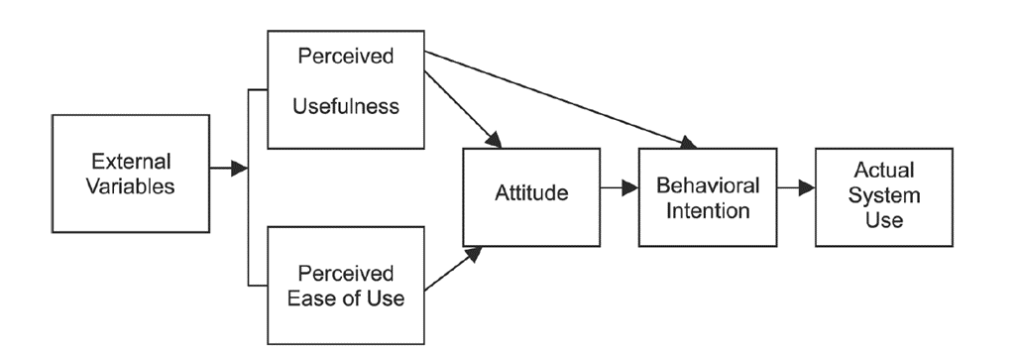
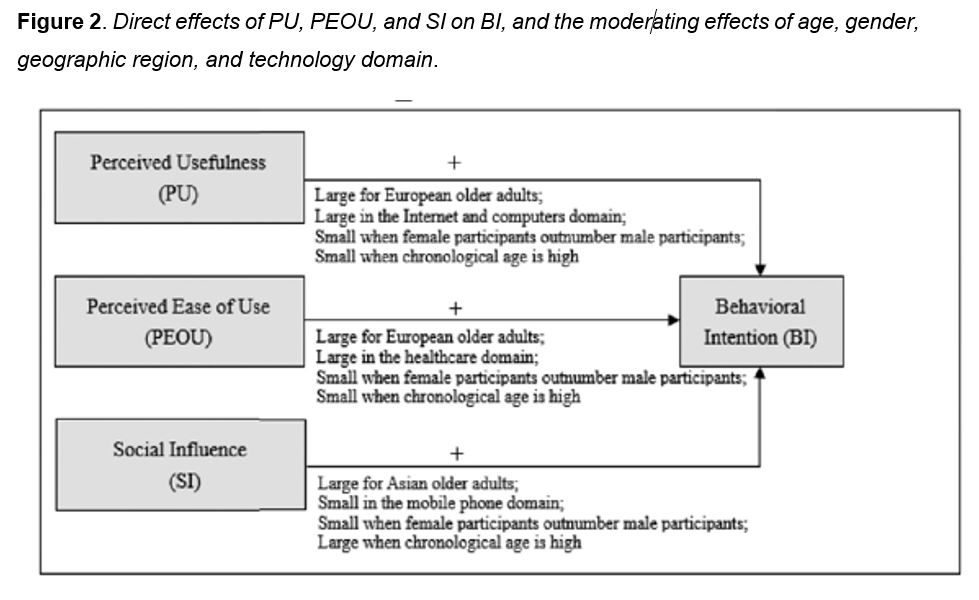






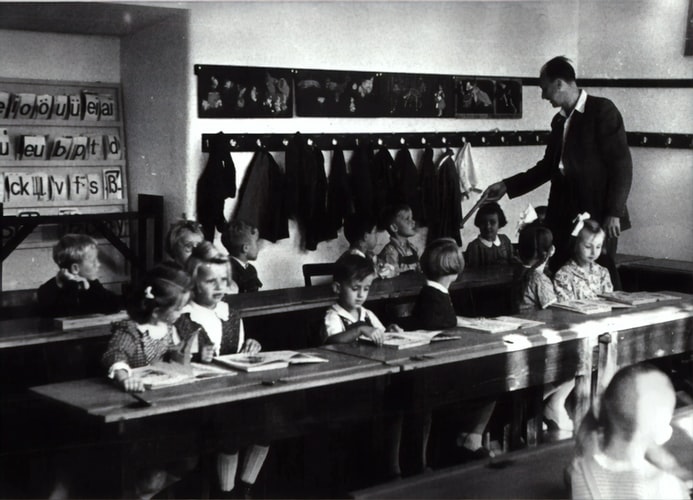
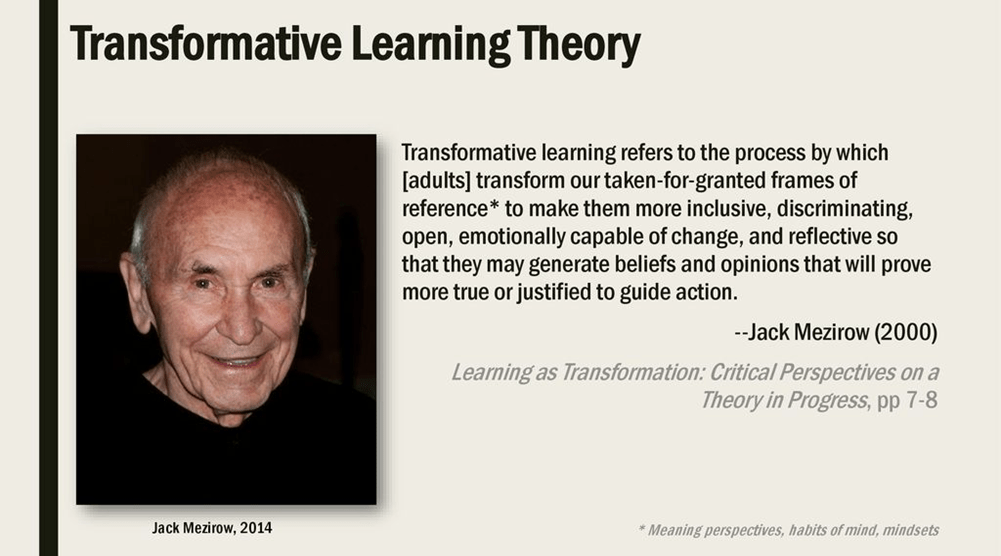



 My Learning Journey